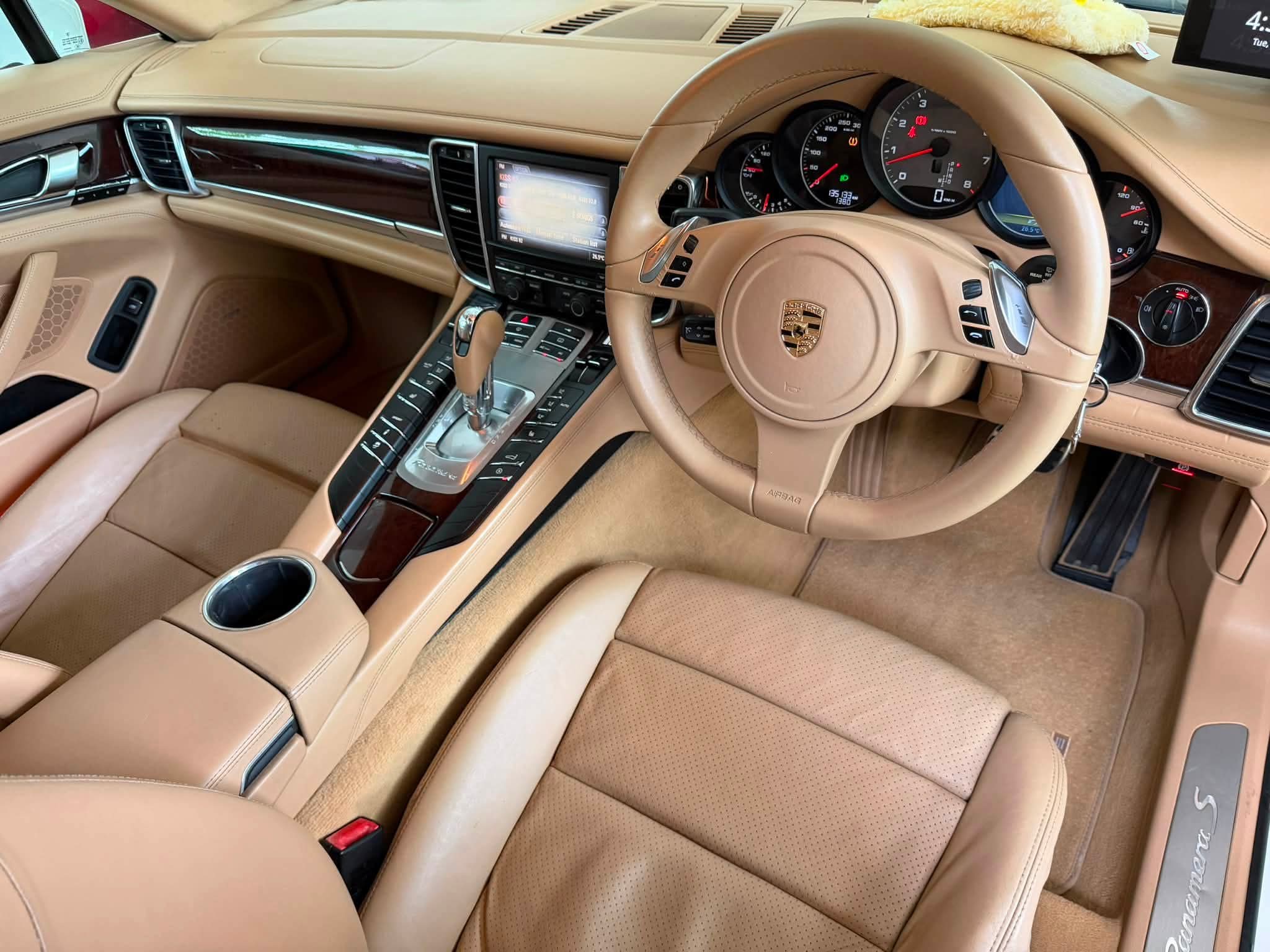
Car interior hygiene Singapore is a topic most drivers overlook — yet the average car cabin is one of the germiest environments we spend time in every day. Studies consistently show that steering wheels can harbour up to six times more bacteria than a smartphone screen, while seat belts, AC vents, and door handles are rarely disinfected between washes.
The Problem
Most Singapore drivers assume a quick wipe-down keeps their car reasonably clean. The reality is that bacteria, mould spores, dust mites, and allergens accumulate deep inside seat fabric, carpet fibres, and air-conditioning vents — areas a cloth and spray bottle simply cannot reach.
Singapore’s climate makes this worse. With average humidity above 80%, microbes multiply faster here than in drier regions. What begins as a faint stale smell can escalate into visible mould growth in carpet padding or seat foam, especially after any moisture intrusion or a blocked AC drain.
Common Causes
Why does a car cabin become so unhygienic, so quickly?
- Daily skin contact and sweat: Steering wheels, gear knobs, and seat belts accumulate oils and bacteria every time you drive.
- Food and drink residue: Even small crumbs attract bacteria and mould — particularly in hot, humid conditions. A food spill left untreated becomes a bacterial colony within days.
- AC recirculation: Your cabin air-conditioning continuously recirculates air along with dust, mould spores, and airborne bacteria. If you notice a bad smell from your car aircon, this is almost always the cause.
- Pet dander and hair: Pet owners deal with additional allergens and bacteria embedded in upholstery that standard vacuuming cannot remove.
- Infrequent deep cleaning: Most car owners vacuum occasionally but never steam-clean or properly disinfect the interior — and a real deep clean is very different from a surface wipe.
Risks of Ignoring It
Poor car interior hygiene Singapore isn’t just unpleasant — it carries real health consequences. Passengers who spend long hours in the car regularly breathe recirculated cabin air. Mould spores irritate the respiratory system, particularly for children, the elderly, and anyone with asthma or allergies.
A visibly clean interior can still harbour dangerous bacteria on high-contact surfaces. Steering wheels, seat belt buckles, and door handles are touched constantly but almost never properly disinfected. Professional car disinfection is the only reliable way to address this.
How Cleanic Detailing Inspects and Treats It
Colin at Cleanic Detailing follows a systematic process for every car interior hygiene Singapore service:
1. Inspection: Colin identifies high-risk zones — AC vents, seat seams, carpet underlay, boot lining, and all touch-point surfaces — before any treatment begins. This step is essential for targeting the right areas rather than applying a generic clean.
2. High-temperature steam cleaning: Steam at over 100°C is applied to seats, carpets, door panels, and the dashboard. The heat kills bacteria and dust mites on contact without any chemical residue. For seats specifically, our car seat cleaning Singapore process lifts embedded bacteria from deep in the foam.
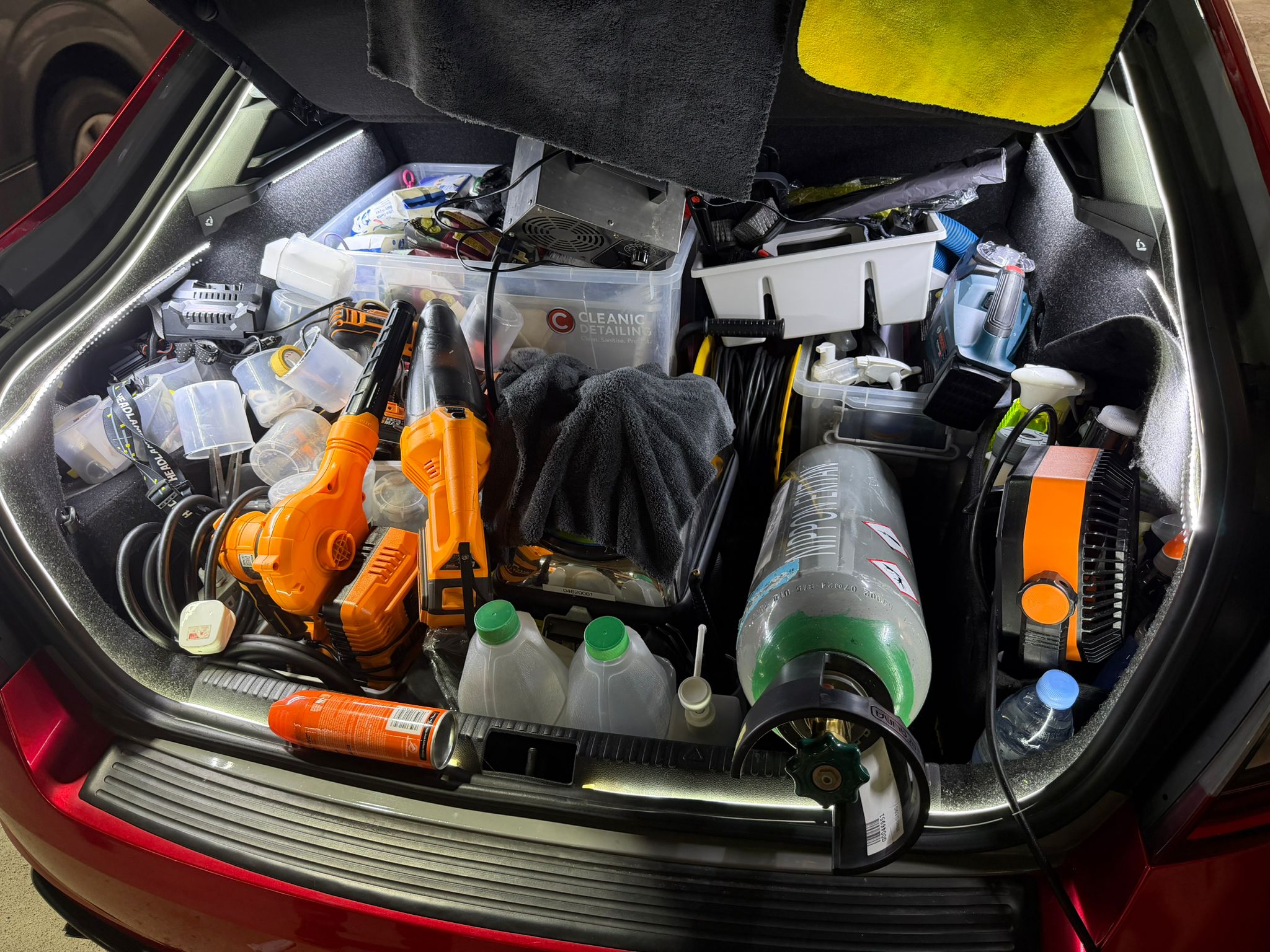
3. MIRAKN® dry gas fumigation: For a comprehensive reset, Colin uses MIRAKN® dry gas fumigation — pressurised CO&sub2; gas that is 1.5× heavier than air. It sinks into AC vents, seat foam, footwells, and every crevice where bacteria hide. Zero residue, zero odour, safe for all electronics and luxury materials.
4. Surface disinfection: All touch points — steering wheel, gear knob, door handles, seat belts — are treated with a professional-grade disinfectant safe for all interior materials. This step alone addresses the surfaces most closely associated with pathogen transfer.
The entire service is mobile and on-site, done wherever your car is parked anywhere in Singapore. Read more about our full-service approach on the car fumigation Singapore page or our car grooming Singapore overview.
Key Facts
- Car interior hygiene Singapore services address bacteria, mould, dust mites, and allergens in a single visit.
- Steering wheels can carry up to 6× more bacteria than a smartphone screen.
- MIRAKN® CO&sub2; gas is 1.5× heavier than air — it reaches AC vents and seat foam that a cloth cannot access.
- High-temperature steam kills bacteria on contact without chemical residue or surface damage.
- Singapore’s 80%+ humidity accelerates bacterial and mould growth in enclosed car cabins.
- All Cleanic Detailing services are mobile and island-wide, available 24/7 — including nights and weekends.
- Every service is backed by a 30-day satisfaction guarantee. Colin is a licensed, certified MIRAKN® applicator.
FAQs
How often should I get a car interior hygiene service in Singapore?
For most drivers, every 3–6 months is ideal given Singapore’s humid climate. Families with young children, pet owners, and rideshare drivers should consider a service every 1–2 months due to higher usage and contamination risk. After any illness in the car, a proper sanitisation is recommended immediately.
Is steam cleaning safe for all car interior materials?
Yes. Professional steam cleaning is safe for fabric seats, leather, vinyl, plastic trim, and dashboard electronics when applied correctly. Colin adjusts steam pressure based on the material type to avoid any risk of damage — even for leather car seats.
What is MIRAKN® dry gas fumigation and why is it used for hygiene?
MIRAKN® is a pressurised CO&sub2; dry gas system that delivers sub-micron particles into every crevice of the car interior — including AC vents and under carpets — without any liquid residue. It provides a thorough hygienic reset that steam cleaning alone cannot achieve in enclosed and difficult-to-reach spaces.
Does a car interior hygiene service remove odours?
Yes. Odours in car cabins are almost always caused by bacteria, mould, or organic matter embedded in fabric and foam. A thorough steam clean combined with MIRAKN® dry gas fumigation addresses the biological source of the smell rather than masking it with fragrance.
Real Customer Case
A Jurong West family contacted Cleanic Detailing after a persistent musty odour in their Hyundai Tucson kept returning within days of each DIY clean. Colin’s inspection revealed mould growth in the carpet underlay near the passenger footwell — a common result of a slow AC condensation drain blockage, very typical in Singapore’s humidity.
Colin performed a full steam extraction of the affected car carpets, followed by MIRAKN® dry gas treatment throughout the entire cabin, and surface disinfection of all contact points. The musty smell was fully eliminated, and the family reported the car remaining fresh and odour-free for months after the single service visit. Colin also flagged the blocked drain for them to have inspected at a workshop — the kind of detail that only a thorough hands-on inspection reveals.
This is exactly the outcome a professional car interior hygiene Singapore service is designed to deliver: not just a clean-looking car, but a genuinely hygienic cabin environment. Explore our full range of mobile car care services at Cleanic Detailing.
Contact Colin
Contact Colin at 9108 6931 — WhatsApp or call, 24/7, island-wide Singapore.