Why Cockroaches Turn Up in Singapore Offices
Most office cockroach problems in Singapore start small: a shared pantry with a sink that doesn't drain well, a microwave that gets wiped down inconsistently, or a bin that isn't emptied until the cleaner's next round. In older shophouse-converted offices or buildings with an F&B tenant on a lower floor, cockroaches can also travel up through shared risers, ducting gaps, or lift lobbies.
Co-working spaces add another layer of risk because desks, snack cupboards, and communal fridges are used by rotating groups of people who don't all follow the same cleaning habits. A single unreported spill under a desk can be enough to sustain activity for weeks before anyone notices a pattern.
The Real Concern Isn't Just the Cockroach — It's the Clean-Up After
Many office managers have already dealt with a pest issue once before and remember the part they disliked most: not the treatment itself, but the oily film left on desks, keyboards, carpet tiles, and fabric meeting-room chairs afterwards, which meant extra cleaning before the office looked presentable again.
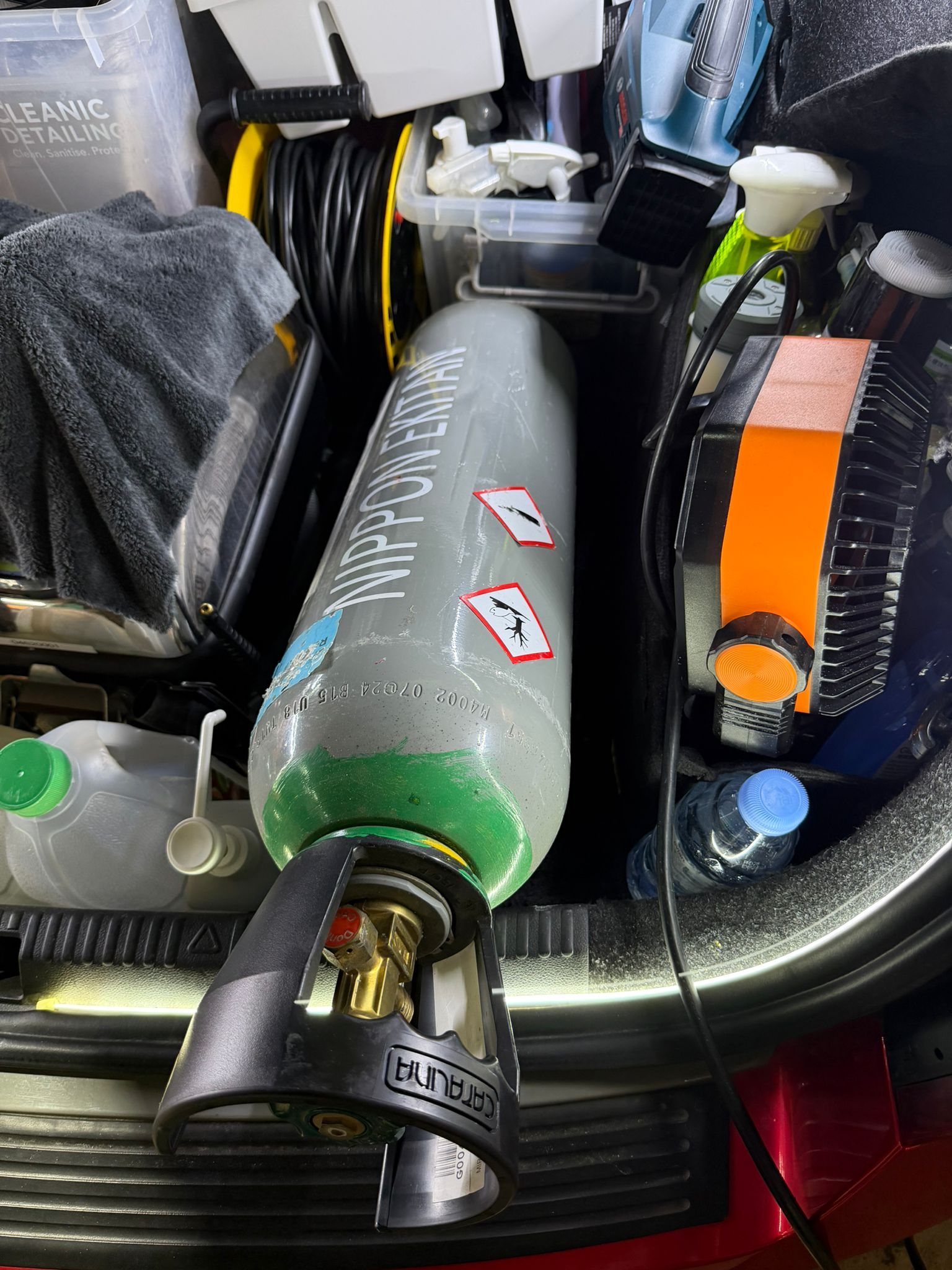
This is where the non-oily nature of MIRAKN dry gas fumigation becomes a genuinely useful differentiator to understand before booking anything. Because it does not leave the surface residue associated with some traditional fumigation approaches, it is a more practical fit for open-plan offices where the same surface is a desk, a laptop rest, and a client-facing meeting table all in one.
What You Can Try Before Calling a Professional
If sightings are still infrequent, a short internal clean-up push is worth attempting first and documenting so you have a clear picture if the issue continues.
- Empty pantry bins nightly and use bins with tight-fitting lids rather than open baskets
- Wipe down the microwave, kettle area, and sink counter at the end of each day, not just weekly
- Ask staff to store snacks in sealed containers rather than open desk drawers
- Check warm equipment like photocopiers and server cabinets, which cockroaches are drawn to
- Log the date, time, and location of every sighting so a pattern is visible instead of guesswork
What Not to Do
A few common office responses tend to make the problem harder to solve rather than easier.
- Relying only on scattered store-bought bait traps without addressing the food or moisture source they're feeding on
- Fogging with a generic aerosol can near server racks or sensitive electronics without checking the product's own usage guidance first
- Treating a single daytime sighting as a one-off when daytime activity (rather than only at night) usually means the nest is already established nearby
When Professional Fumigation Makes Sense
A few situations are a reasonable trigger to stop DIY attempts and get a proper assessment: sightings happening during working hours rather than only late at night, more than one staff member reporting the same area, the office sharing a building with an F&B tenant, or an upcoming client visit, audit, or lease handover where the space needs to be presentable with no lingering odour or residue.
How MIRAKN Dry Gas Fumigation Fits an Office Environment
MIRAKN dry gas fumigation service was originally built around vehicle interiors but has been applied to other enclosed spaces such as F&B kitchens and rental units, and the same non-oily characteristic is the reason it's worth discussing for offices too. Carpet tiles, fabric partition panels, and meeting-room upholstery are exactly the kind of surfaces where an oily aftermath is unwelcome, so a treatment that avoids that film is directly relevant.
In practice, office bookings are usually scheduled after hours or over a weekend so the space can be treated and aired out per the product's recommended waiting period before staff return on the next working day, minimising disruption to normal operations. As with any fumigation, the actual re-entry timing and any precautions around sensitive individuals should follow the specific product instructions used on the day rather than a blanket assumption.
What Happens When You Contact Cleanic
A typical enquiry starts with a WhatsApp message describing where the cockroaches have been seen — pantry, meeting room, or a specific desk cluster — and roughly how big the office is. Cleanic will usually ask about the affected areas, any recurring pattern, and preferred timing (evenings or weekends tend to work best for offices) before confirming a slot and giving a straightforward answer on what the visit involves.
It's also worth mentioning if the same pest issue has shown up in a staff or company pool vehicle, since that's a separate but related concern — a lot of the same source-and-clean-up thinking applies whether it's cockroach problems inside a car or an office pantry, and Cleanic's car fumigation service.
Prevention After Treatment
Fumigation addresses the current activity, but keeping an office roach-free long-term still comes down to daily habits: consistent pantry hygiene, sealed food storage, and prompt reporting of any new sighting rather than waiting for a second or third complaint. Reviewing warning signs of a cockroach infestation with your office cleaning team can help catch a recurrence early before it spreads to more desks.
FAQs
Does MIRAKN leave any oily residue on office furniture or carpet tiles?
MIRAKN's dry gas process is specifically non-oily, which is the reason it's discussed for offices in the first place — surfaces like desks, keyboards, and fabric chairs are not left with the greasy film associated with some traditional fumigation methods. Any surface preparation or wipe-down needed should still follow the specific product instructions used during the session.
How long before staff can return to the office after MIRAKN treatment?
Re-entry timing follows the recommended waiting period stated in the product's own usage instructions on the day of treatment. This is why most office bookings are scheduled after hours or over a weekend, so the space has time to air out before the next working day.
Is it safe to use fumigation near computers, printers, or server racks?
Any treatment near electronics should be discussed with Cleanic beforehand so equipment can be covered or repositioned as needed. Safety around specific equipment or sensitive individuals should always be confirmed against the actual product instructions for that session rather than assumed.
Can a cockroach problem in the office spread to staff cars?
It can, particularly if bags, boxes, or reusable containers move between the pantry and a car boot. If sightings start appearing in a personal or company vehicle, that's better addressed with a dedicated car fumigation visit rather than assuming the office treatment alone will resolve it.
How often should an office get fumigation done?
There's no fixed schedule that suits every office — it depends on building age, whether there's an F&B tenant nearby, and how consistent pantry hygiene is day to day. Logging sightings over a few weeks gives a much clearer answer than guessing, and a recurring pattern is the strongest signal it's time to book a proper assessment.
Related Cleanic reading
For related needs outside Cleanic's scope, see fabric and upholstery cleaning specialists.
Cockroaches Keep Coming Back to Your Office Pantry?
If sightings are becoming a recurring complaint rather than a one-off, an after-hours MIRAKN dry gas fumigation session can be scheduled around your office hours so staff return to a normal-looking, non-greasy workspace the next working day. Message Cleanic on WhatsApp with your office size and the areas affected to get a straightforward answer on scheduling.
WhatsApp Colin