Why Cockroaches Show Up in Rental Units Between Tenants
It is common in Singapore for a landlord or agent to walk into a unit for a handover inspection and find cockroaches, droppings, or an oily grease smell in the kitchen — even if the outgoing tenant kept the place reasonably tidy day to day.
The reason is usually timing. A unit that sits vacant for even one to two weeks with the aircon off, windows shut, and no daily cooking or cleaning activity becomes an ideal environment: warm, humid, and undisturbed. Cockroaches that were already living in wall gaps, behind the fridge, or under the sink cabinet during the tenancy become far more visible once there is no human activity to keep them away.
- Grease build-up inside kitchen cabinets and behind the stove, often invisible until the unit is emptied
- Damp bin corners, shared rubbish chutes, or a blocked floor trap in the kitchen or bathroom
- Boxes, cardboard, and old newspapers left behind by the outgoing tenant during packing
- A vacant unit with the aircon off, raising humidity and encouraging pest activity
- Common corridor or riser pipe access points shared with neighbouring units
What Landlords and Agents Can Check Before Assuming It's a Serious Infestation
Not every sighting means a full infestation. Before booking any treatment, it helps to do a quick walkthrough so you can describe the situation accurately when asking for quotes.
- Check inside kitchen cabinets, under the sink, and behind the fridge and stove for droppings or grease trails
- Look at the bin corner, floor traps, and any exposed pipe risers for moisture or food residue
- Note whether the sightings are isolated to the kitchen or spread to bedrooms and living areas
- Check if neighbouring units share a rubbish chute or riser that could be a source
- Take photos and note the approximate size of the unit (studio, 2-room, condo, landed) — this affects how a treatment is quoted
What Not to Do Before the Next Tenant Moves In
It is tempting to grab a can of insecticide spray or a few bug bombs before a viewing, especially under time pressure. This usually creates more problems than it solves for a rental handover.
Spraying visible cockroaches without addressing the source (grease, moisture, entry points) tends to scatter the population rather than resolve it — tenants sometimes report seeing more activity a few days after a DIY spray, not less. Aerosol residue can also leave a chemical smell in a tightly closed unit, which is exactly the kind of thing a prospective tenant notices on a viewing.
- Avoid heavy aerosol spraying right before a viewing — the smell often lingers longer than the treatment helps
- Do not seal up cabinets or vents without treating what is inside them first
- Do not assume a one-off wipe-down of the kitchen resolves an infestation that has had weeks to establish
- Avoid mixing multiple over-the-counter pest products, which can be counterproductive
When Professional Fumigation Makes Sense for a Rental Unit
Professional treatment is worth arranging when there are repeated sightings (not a single stray cockroach), when a tenant has raised it as a complaint, or when you are working to a fixed handover date and cannot afford a wait-and-see approach.
This is also where the choice of method starts to matter for a rental property specifically. Many landlords need the kitchen cabinets, countertops, and any furniture left in the unit to be presentable for photos and viewings almost immediately after treatment — not left with a greasy film that needs a separate clean-up.
- Multiple sightings across more than one room, not an isolated case
- A tenant complaint logged before move-out
- A fixed handover or viewing date within days, leaving no time for a slow DIY approach
- Visible grease trails or droppings inside cabinets that a wipe-down has not resolved
Why Non-Oily MIRAKN Treatment Fits Rental Handover Situations
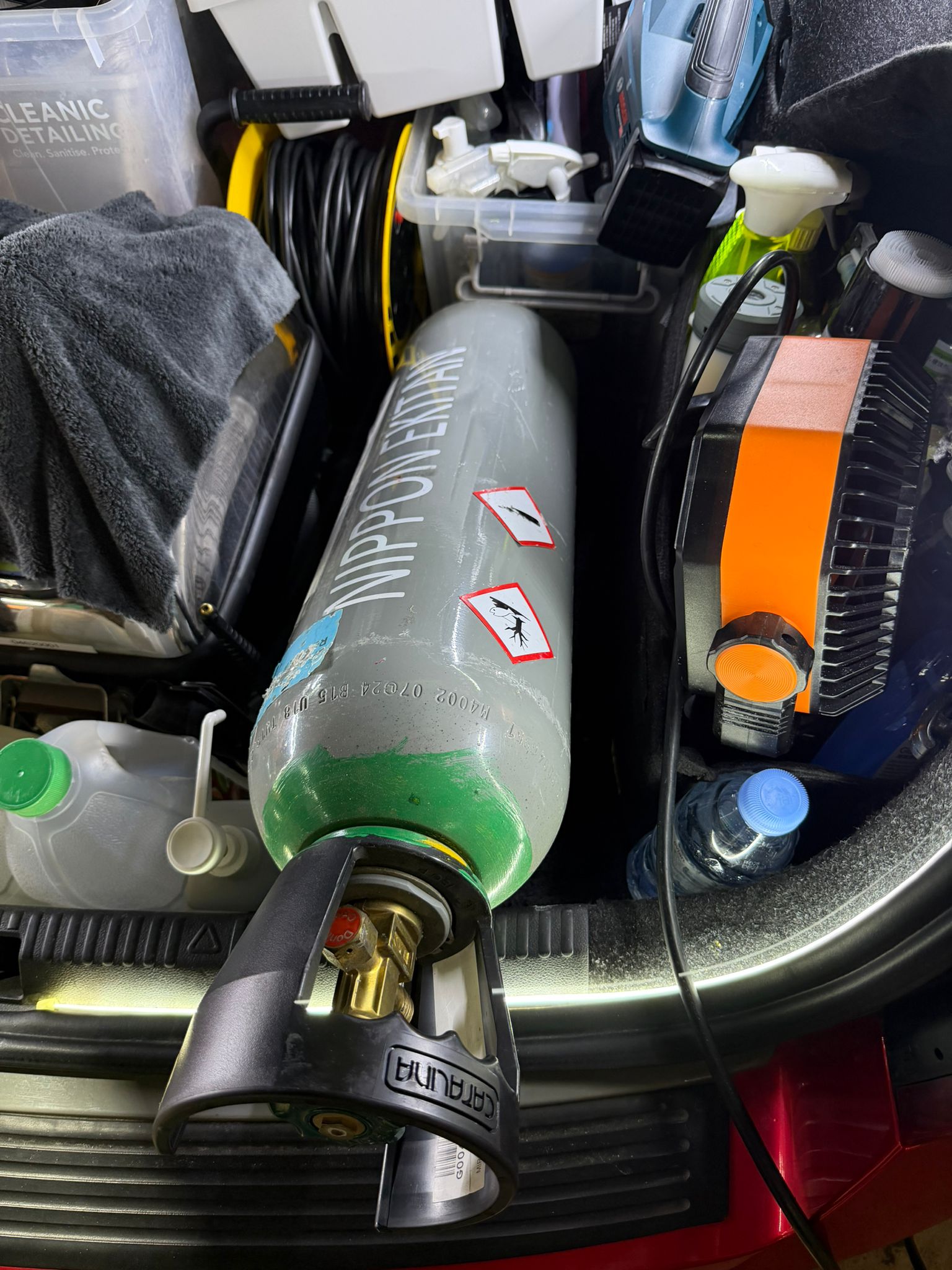
MIRAKN is the non-oily treatment method Cleanic uses, and the practical reason it comes up in rental and property contexts is straightforward: some traditional fumigation approaches leave an oily surface film across furniture, cabinet interiors, walls, and fixtures after treatment, which then needs its own round of wiping down before the space looks presentable again.
For a rental unit on a tight handover schedule, that extra clean-up step is exactly what a landlord or agent wants to avoid. A non-oily approach means less follow-up work on cabinet interiors and any furniture left in the unit.
It's worth being clear about what MIRAKN is and is not. It is not described as NEA-approved, does not carry claims of eliminating pests permanently or killing them at any stated percentage, and safety around people, babies, or pets in a space should always be considered under normal-use conditions and any product instructions provided at the time of treatment — not treated as an unconditional guarantee.
- Non-oily treatment — avoids the greasy surface film some traditional fumigation leaves on cabinets and furniture
- Relevant where a quick visual turnaround (viewings, photos, handover) is a priority
- Currently applied by Cleanic in car interiors and home settings such as baby's rooms — the same non-oily principle is what makes it relevant for discussion in a rental property context
- Any safety consideration around occupants, babies, or pets should be discussed against normal-use conditions at the time of enquiry, not assumed
What Happens When You Contact Cleanic About a Rental Unit
When a landlord or agent messages us about a rental unit, we ask a few things upfront so we can give a realistic answer rather than a generic quote: the unit type and size, whether furniture is still inside, how severe the sightings are, and the handover or viewing date you are working against.
From there we can advise whether the situation is straightforward or needs a closer look, and talk through timeline and non-oily treatment relevance for that specific unit.
- Share unit type, size, and whether it is furnished or empty
- Describe what has been seen (isolated sightings vs repeated activity) and where
- Give your target handover or viewing date so we can advise on timing
- We respond with next steps based on the specifics you share, not a one-size-fits-all quote
FAQs
Does MIRAKN fumigation leave an oily residue on rental furniture or cabinets?
MIRAKN is specifically a non-oily treatment, which is the main reason it comes up for rental handovers — the concern with some traditional fumigation methods is the oily surface film left on cabinets, countertops, and furniture afterward, which then needs extra wiping down. MIRAKN is used because it avoids that particular clean-up step.
How soon can a unit be shown to a new tenant after treatment?
This depends on the extent of the infestation and the specific product instructions followed during treatment. Because MIRAKN does not leave the oily film some other methods do, there is generally less follow-up cleaning needed on visible surfaces, but you should confirm the exact re-entry and viewing timeline with whoever carries out the treatment for your unit.
Is it safe to fumigate a unit with furniture, mattresses, or a tenant's belongings still inside?
This should be assessed on a case-by-case basis against the product's normal-use instructions at the time of treatment. Let the provider know exactly what is left in the unit — furniture, mattresses, appliances — so they can advise accordingly rather than assuming a blanket answer.
Do I need to fumigate every single time a tenant moves out?
Not necessarily. A quick inspection for droppings, grease trails, or repeated sightings will tell you whether it is a genuine infestation or just a one-off stray cockroach from a vacant, humid unit. Fumigation is more relevant when sightings are repeated or a tenant has raised a complaint.
What's the practical difference between MIRAKN and traditional fumigation for a rental unit?
The core practical difference discussed here is the non-oily nature of MIRAKN versus the oily surface film some traditional fumigation methods can leave on furniture, cabinets, walls, and fixtures. For a rental unit where cabinets and any remaining furniture need to look presentable quickly for viewings or photos, that difference matters more than in a space with no handover deadline.
Can this same approach be used for other spaces besides rental units, like an office or store room?
The non-oily principle behind MIRAKN is relevant wherever an oily residue on furniture, shelving, or fixtures is undesirable after treatment. Cleanic's confirmed use cases today are car interiors and home settings such as baby's rooms — for other environments like offices or storage areas, it's worth messaging us directly to check current applicability before assuming it is already an offered service.
Related Cleanic reading
- MIRAKN express pest control service
- MIRAKN dry gas fumigation technology
- effective cockroach fumigation techniques
- MIRAKN mosquito treatment for a baby's room
- browse more Cleanic articles
- Cleanic service page
For related needs outside Cleanic's scope, see professional sofa and mattress cleaning for handover units.
Handling Over a Rental Unit With a Cockroach Problem?
If a tenant has flagged cockroaches, or you have found droppings and grease trails while preparing a unit for the next occupant, WhatsApp us with the unit type, size, and your target handover date. We will confirm whether MIRAKN is suitable and currently available for your unit, and explain the next steps before you commit.
WhatsApp Colin