Direct Answer: A snake in car Singapore incidents are rare but do happen, usually reticulated pythons or paradise tree snakes seeking warm, sheltered spaces near HDB carparks, drains, or greenery. Never reach in or try to remove it yourself — call NParks at 1800-476-1600 or ACRES for safe extraction. Afterwards, a full interior fumigation is essential to clear musk gland traces and the insect activity that likely drew the snake in.
The Problem
Singapore drivers occasionally find a snake curled under the bonnet, coiled around the undercarriage, or even inside the cabin after a window was left open near a park connector or canal. Cases reported in areas like Desker Road, Marine Parade, and Beach Road show this is not just an urban myth — NParks and ACRES officers have had to extract pythons over two metres long from tight engine bays.
Even after the snake is safely removed, many car owners are left wondering whether the vehicle is truly clean and safe to use again. It usually isn’t — not yet.
Common Causes
- Cars parked overnight near canals, drains, grass verges, or construction sites where snakes travel
- Warm engine bays that attract snakes seeking heat, especially after rain
- An existing rodent or insect infestation in the car that becomes a food source for snakes
- Gaps in wheel arches, undercarriage panels, or open windows near greenery
- Vehicles left idle for extended periods in landed property porches or industrial estates
Risks of Ignoring It
Even after the snake itself is gone, residual musk gland secretions and shed skin can leave a persistent odour. More importantly, a snake sighting is often a red flag that your car already has a cockroach, ant, or rodent problem attracting predators — leaving that untreated invites the same issue again. Driving without addressing the root cause also means the health and hygiene risk from droppings, bacteria, and pest residue stays unresolved.
How Cleanic Detailing Inspects and Treats It
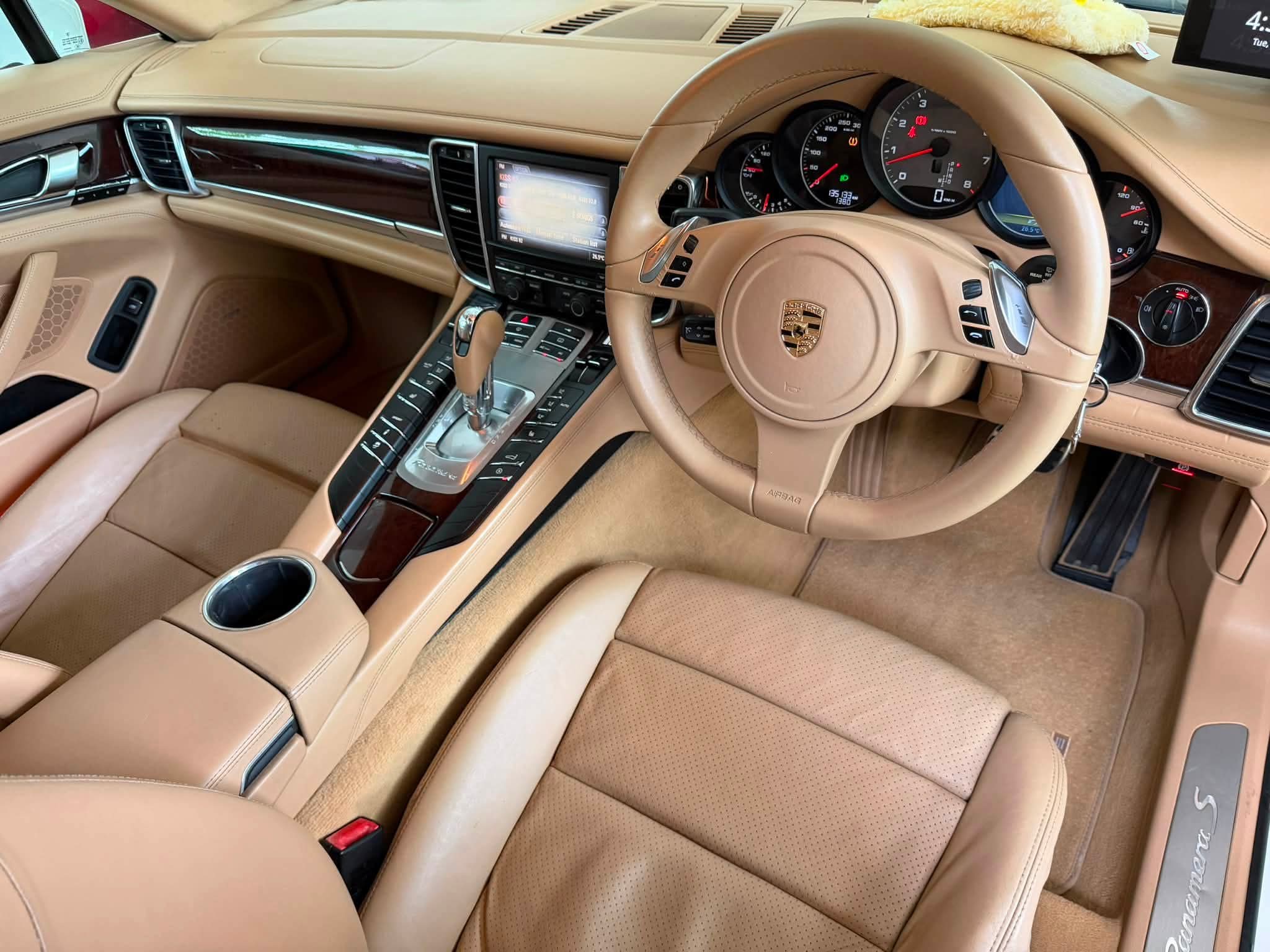
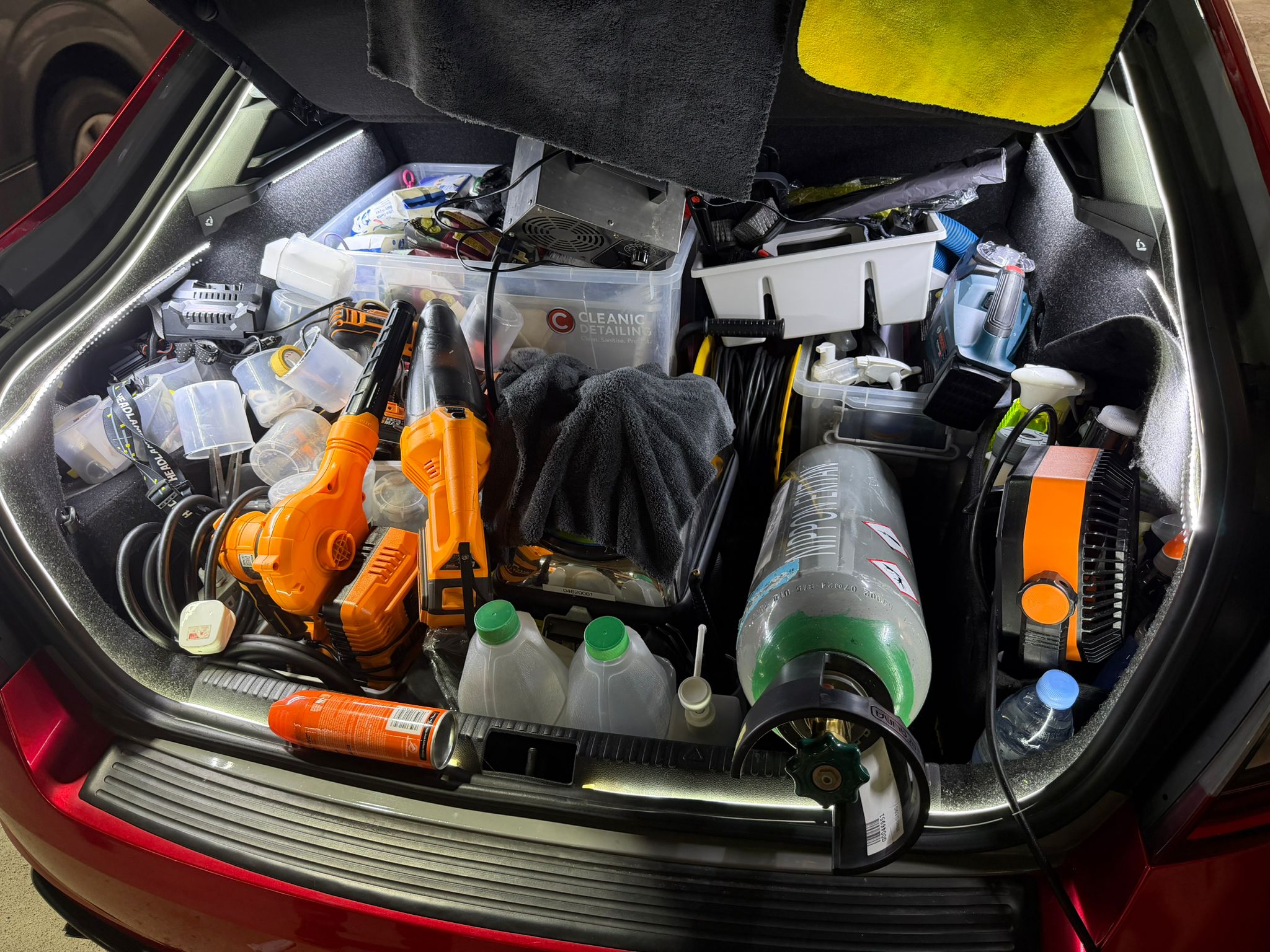
Colin begins every job with a full inspection of the engine bay, wheel wells, footwells, and seat tracks to identify what actually drew the snake in — usually a hidden insect or food source. Cleanic Detailing is a licensed MIRAKN® applicator, and for post-snake situations, MIRAKN® dry gas fumigation is the most thorough solution available.
Unlike diesel fogging or liquid sprays, MIRAKN® uses pressurised CO2 as its carrier gas. Because CO2 is 1.5x heavier than air, it sinks into footwells, air vents, seat foam, and every crevice a snake or insect could have used — areas a surface wipe-down or air freshener never reaches. The treatment is completely dry, leaves zero residue and zero odour, and is safe for electronics, leather, and luxury interiors. For cabin surfaces and any lingering musk or contamination, Colin follows up with mobile steam cleaning and disinfection, backed by a 30-day guarantee.
Key Facts
- Reticulated pythons and paradise tree snakes are the species most commonly found near Singapore homes and carparks
- NParks (1800-476-1600) and ACRES are the correct first call — never attempt DIY removal
- A snake sighting often signals an underlying pest problem inside or near the vehicle
- MIRAKN® dry gas fumigation reaches footwells, vents, and seat foam that sprays cannot
- The treatment leaves zero residue and zero odour, safe for children and pets after ventilation
- Cleanic Detailing is a licensed, trained MIRAKN® applicator serving all of Singapore
- Full service is mobile and available 24/7, island-wide
FAQs
Is it safe to drive my car after a snake was found in it?
Once the snake has been safely removed by NParks or ACRES, the car is physically safe to drive. However, we recommend a full inspection and MIRAKN® fumigation to clear any musk residue, shed skin, or underlying pest issue before regular use, especially if children or pets travel in the vehicle.
What should I do if I find a snake in my car right now?
Stay calm, do not reach in or try to touch it, and keep a safe distance. Call NParks at 1800-476-1600 or ACRES immediately for professional removal. Once it is safely extracted, call Colin at 9108 6931 for a full inspection and fumigation.
Why do snakes end up in cars in Singapore?
Snakes are drawn to warm engine bays, sheltered undercarriages, and sometimes an existing rodent or insect food source inside the vehicle. Cars parked near canals, grass verges, or construction sites are more at risk.
Does MIRAKN® dry gas fumigation remove snake odour?
Yes. MIRAKN®’s pressurised CO2 delivery sinks into every cavity where musk gland residue or shed skin could be trapped, and Colin pairs it with steam cleaning for a complete, zero-residue result.
Real Customer Case
A Bukit Timah landed-property owner contacted Colin after ACRES removed a young reticulated python that had coiled itself around the undercarriage overnight. The car had been parked near a drain and overgrown grass verge for several days. On inspection, Colin also found early signs of an ant trail near the boot — likely part of what drew the snake in. A full MIRAKN® dry gas fumigation cleared both the ants and any lingering musk odour, and the owner reported the car was fresh and usable again the same day.
Related reading: if pests are the real reason a snake showed up, see our guides on rats in car engines, cockroaches in cars, ants in cars, and lizards in cars — all of which can attract larger predators like snakes. For the technology behind our treatment, read more on MIRAKN® dry gas fumigation and our full car fumigation Singapore service. For a broader interior refresh afterwards, see car grooming Singapore and our MIRAKN® fumigation guide.
Contact Colin at 9108 6931 — WhatsApp or call, 24/7, island-wide Singapore.