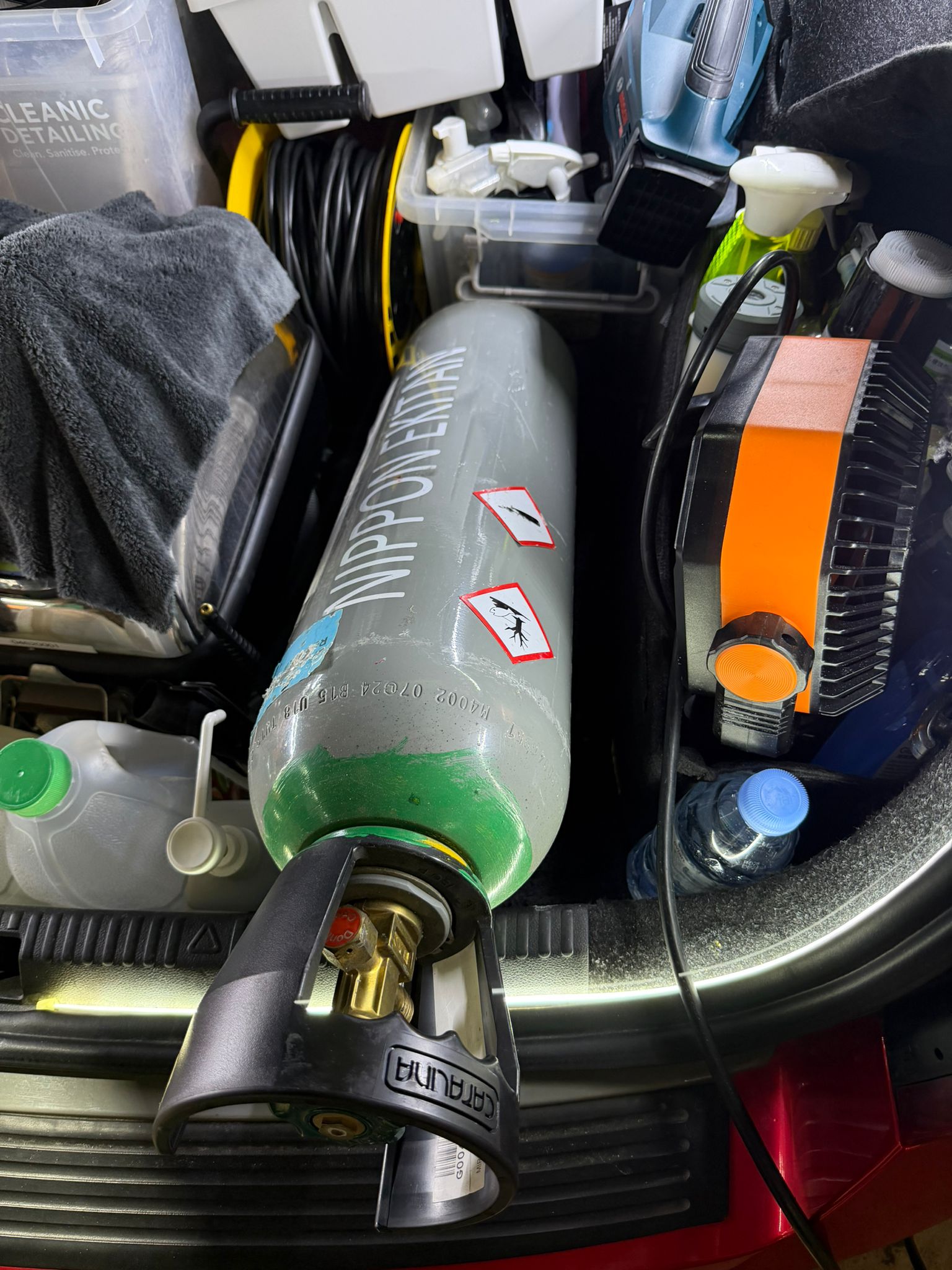
Why Cockroaches Are a Recurring Problem in Singapore F&B Outlets
If you run a restaurant, cafe, hawker stall or food kiosk in Singapore, cockroach sightings are one of the fastest ways to lose customer trust, trigger a bad review, or draw attention during an audit. Commercial kitchens create ideal cockroach conditions: constant food residue, warmth from cooking equipment, moisture near sinks and grease traps, and dense cardboard or plastic storage that cockroaches use for shelter and egg-laying.
Unlike a home, an F&B kitchen usually cannot simply close down to deal with a pest problem — service continues, deliveries keep arriving, and storage areas keep getting used. This is why F&B business owners searching for a solution are often looking for something that works around their operating hours and does not disrupt food-contact surfaces.
- Grease build-up around stoves, extraction hoods and floor traps
- Cardboard boxes and delivery packaging stored near walls
- Gaps around plumbing, drainage and equipment bases
- Shared refuse or grease trap access with neighbouring units
- Standing water near dishwashing or ice machine areas
What Usually Causes the Infestation
Cockroach activity in F&B premises is rarely caused by one single thing — it is usually a combination of an entry point (drainage, service ducts, shared walls with neighbouring units) and a food/moisture source that lets a small population grow quickly given how fast cockroaches reproduce in warm kitchen conditions.
In older shophouse or food court units, shared drainage and ducting with adjacent tenants is a common but often overlooked contributor, meaning your own cleaning standards alone may not fully solve the problem.
- Poor grease trap maintenance or infrequent degreasing
- Cardboard and paper packaging stacked in storerooms
- Cracks or gaps behind fixed kitchen equipment
- Shared drainage/ducting with neighbouring F&B units
- Inconsistent night-time cleaning of food prep surfaces
What You Can Do Yourself First
Before booking any treatment, a few operational changes can reduce cockroach activity and are worth doing regardless of whether you proceed with professional fumigation.
- Increase grease trap cleaning frequency and check floor traps for buildup
- Store cardboard and packaging off the floor and away from walls
- Seal visible gaps around pipes, ducting and equipment bases where practical
- Improve nightly cleaning of prep surfaces, floors and under-equipment areas
- Keep bin areas covered and cleared more frequently during warmer months
What Not to Do in a Commercial Kitchen
Some common DIY responses create bigger problems in F&B settings than they solve. Spraying generic insecticide directly onto or near food-contact surfaces, counters, or open food storage areas raises contamination and food-safety concerns and can leave chemical residue exactly where it should not be. Similarly, some traditional fumigation methods leave a noticeable oily film across whatever surface they contact — a real issue in a kitchen where every counter, wall and piece of equipment may need to be food-safe and easy to wipe down afterward.
- Avoid spraying insecticide directly on or near food prep surfaces
- Avoid DIY fogging that is not designed for enclosed commercial kitchens
- Avoid ignoring repeated sightings — a small population grows quickly in warm kitchens
- Avoid choosing a treatment without asking what residue, if any, it leaves behind
When Professional Treatment Is the Right Call
A one-off sighting after a delivery of packaging might be resolved with better storage habits. But repeated sightings, activity near food prep zones, sightings reported by staff or customers, or preparation ahead of an audit or franchise inspection generally call for a proper fumigation treatment rather than more intensive daily cleaning alone.
- Repeated sightings over more than one week
- Activity seen during service hours, not just at night
- Preparing for an audit, inspection, or franchise standards check
- New tenancy where the previous occupant's pest history is unknown
- After a break in cleaning routine (e.g. renovation, long closure)
Why MIRAKN's Non-Oily Treatment Is Relevant for F&B Premises
This is where the non-oily characteristic of MIRAKN dry gas fumigation service becomes genuinely useful for a commercial kitchen rather than just a marketing detail. Some traditional fumigation approaches leave an oily surface film that then needs to be wiped down across counters, walls, ceilings, extraction hoods and dining furniture before service can resume — extra labour and downtime an F&B outlet can rarely absorb. MIRAKN's treatment is designed as a non-oily option, which is a meaningful difference where greasy-film cleanup across furniture, walls, ceilings, fixtures and upholstery is undesirable, as it typically is in any space with food-contact surfaces or fabric-seated dining areas.
We do not claim the treatment is NEA-approved or guarantees permanent elimination — no responsible fumigation service can promise that. What we can say is that the treatment follows the product's normal-use instructions, and the non-oily formulation is the specific reason F&B operators have raised it as a consideration compared to older fumigation methods. This is the same non-oily approach used in cockroach fumigation for rental properties in Singapore, adapted here for a commercial kitchen and dining layout rather than a residential unit.
For outlets that also run delivery vehicles, it is worth noting a related but separate concern: food delivery vehicles can develop their own cockroach issues from spilled sauces, packaging residue and warm engine bays, which is covered under cockroach fumigation for delivery vehicles as a distinct service scope from the premises treatment described here.
- Non-oily formulation relevant where greasy film cleanup is undesirable
- Can be scheduled around operating hours to reduce service disruption
- Applies to kitchen, storeroom and dining/upholstered seating areas
- Distinct from vehicle fumigation scope — premises and vehicles are treated separately
What Happens When You Contact Cleanic
Reaching out starts with a short WhatsApp conversation, not a hard sell. We ask about where the sightings are happening (kitchen, storeroom, dining area), how long it has been going on, and your operating hours so we can discuss timing that minimises disruption to service. From there we can explain what the MIRAKN treatment involves and whether it fits your outlet, before any booking is confirmed. If you want more background on the underlying method first, our overview of effective cockroach fumigation techniques and the wider set of Cleanic's pest and hygiene articles cover related scenarios in more depth.
- Message us with your outlet type and where sightings are occurring
- We discuss timing around your operating hours
- We explain the MIRAKN non-oily treatment and what to expect
- Booking is confirmed only after you're clear on scope and process
FAQs
Is MIRAKN fumigation safe to use in a restaurant kitchen with food nearby?
MIRAKN is applied following the product's normal-use instructions, and food-contact surfaces would need to be cleared or covered as part of any professional treatment process. We do not claim it is completely harmless or guaranteed safe in all conditions — the specifics depend on your kitchen layout and are discussed before treatment.
Does MIRAKN kill all cockroaches immediately?
We do not claim 100% effectiveness or permanent elimination from any single treatment. Fumigation reduces active pest presence, but ongoing prevention — grease trap maintenance, sealing entry points, storage habits — remains the outlet's responsibility to reduce recurrence.
Why does it matter that MIRAKN is non-oily for a restaurant?
Some traditional fumigation methods leave an oily film that needs wiping down across counters, walls, hoods and furniture before service resumes. A non-oily treatment avoids that extra cleanup step, which matters in a kitchen where surfaces need to be food-safe and quickly usable again.
Can treatment be scheduled outside our operating hours?
This is discussed directly when you message us, since it depends on your outlet's hours, layout and how urgent the sighting pattern is. We aim to minimise disruption to service where possible.
Does Cleanic currently service ships, cruise cabins or aircraft galleys?
No — our current scope covers vehicles and non-vehicle premises such as homes, rental units and F&B outlets in Singapore. Marine and aircraft environments are not part of our confirmed service scope at this time.
What if the cockroach problem is coming from a neighbouring unit's drainage?
This is common in shophouse and food court settings. We can only treat the areas within your premises, but flagging shared drainage or ducting issues to your building management alongside treatment is worth doing for a longer-term fix.
Related Cleanic reading
For related needs outside Cleanic's scope, see professional fabric seat cleaning for dining banquettes.
Seeing Cockroaches in Your F&B Outlet? Ask About MIRAKN Non-Oily Treatment
If cockroaches keep showing up near your kitchen, storeroom or dining area, a quick WhatsApp message gets you a straightforward answer on scheduling and whether MIRAKN's non-oily dry gas fumigation suits your outlet's layout and operating hours.
WhatsApp Colin